

ON FILM & DIGITAL · Technical Guide
Film Formats Guide: 35mm, CinemaScope, VistaVision, 70mm and IMAX
A complete English-language guide to motion-picture film formats, from silent 35mm and Academy ratio to CinemaScope, Panavision, VistaVision, 70mm, Technirama, Techniscope and IMAX.
Written from the perspective of a working cinematographer, this guide brings together the complete ON FILM & DIGITAL series on film formats, negative area, aspect ratio, lenses, sound and theatrical projection.
Quick answer: what are film formats?
In motion-picture cinematography, a film format is the technical system used to capture and present an image. It can include the width of the film stock, the number of perforations used per frame, whether the film runs vertically or horizontally, the aspect ratio, the lens system, the sound format and the projection method.
A 35mm silent-era frame, a CinemaScope anamorphic image, a VistaVision 8-perf negative, a 5-perf 65mm Todd-AO frame and an IMAX 15/70 image are all different film formats because they use the film strip, lens system and projection workflow in different ways.
Why film formats matter for cinematography
Film formats are not merely historical labels, nor are they interchangeable containers for the same image. They determine how much negative area is available, how grain is perceived, how lenses render, how depth of field behaves at a given stop, how heavy or free a camera may become, and how the final image was intended to be seen on a theatrical screen.
That is why a format is always more than an aspect ratio. A 2.39:1 image photographed in anamorphic 35mm, extracted from Super 35, originated in Techniscope, blown up to 70mm or captured on 65mm negative can arrive at a similar rectangle, but not at the same photographic object. Texture, sharpness, depth, aberration, grain and projection all change the viewer’s perception of scale.
The path from early 35mm to sound cinema and Technicolor is covered in Film Formats (I). The widescreen revolution of Cinerama, CinemaScope and Panavision is developed in Film Formats (II). VistaVision, Todd-AO and 70mm systems are explained in Film Formats (III), while Technirama, Techniscope, 70mm blow-ups, IMAX and later photochemical developments are covered in Film Formats (IV).
For a broader discussion of film stock, negative exposure, sensitivity and grain, this guide connects directly with The Motion Picture Negative (I) and The Motion Picture Negative (II).
Film format vs aspect ratio
A film format should not be confused with an aspect ratio. Aspect ratio describes the shape of the projected image; format describes the physical, optical and mechanical system used to produce it. The same aspect ratio can emerge from several different routes, some economical, some spectacular, some designed for portability, some designed for screen size and theatrical impact.
This distinction is essential to cinematography. The frame is not only a boundary; it is also the result of a camera movement, a lens design, a negative area, a grain structure and an exhibition method. In that sense, film formats are part of the grammar of cinema, not just part of its technical history.
Comparison table: negative area, perforations and typical uses
The following comparison is not a substitute for the full articles, but a practical map of the main systems discussed in the series. It brings together film path, perforations, aspect ratio and use in a form that can be scanned quickly before moving into the detailed chapters.
| Format | Technical and photographic use |
|---|---|
| 35mm Academy / Flat | Vertical 4-perf 35mm. Academy, 1.66:1 or 1.85:1. The classical theatrical standard and the basis for most later 35mm formats. |
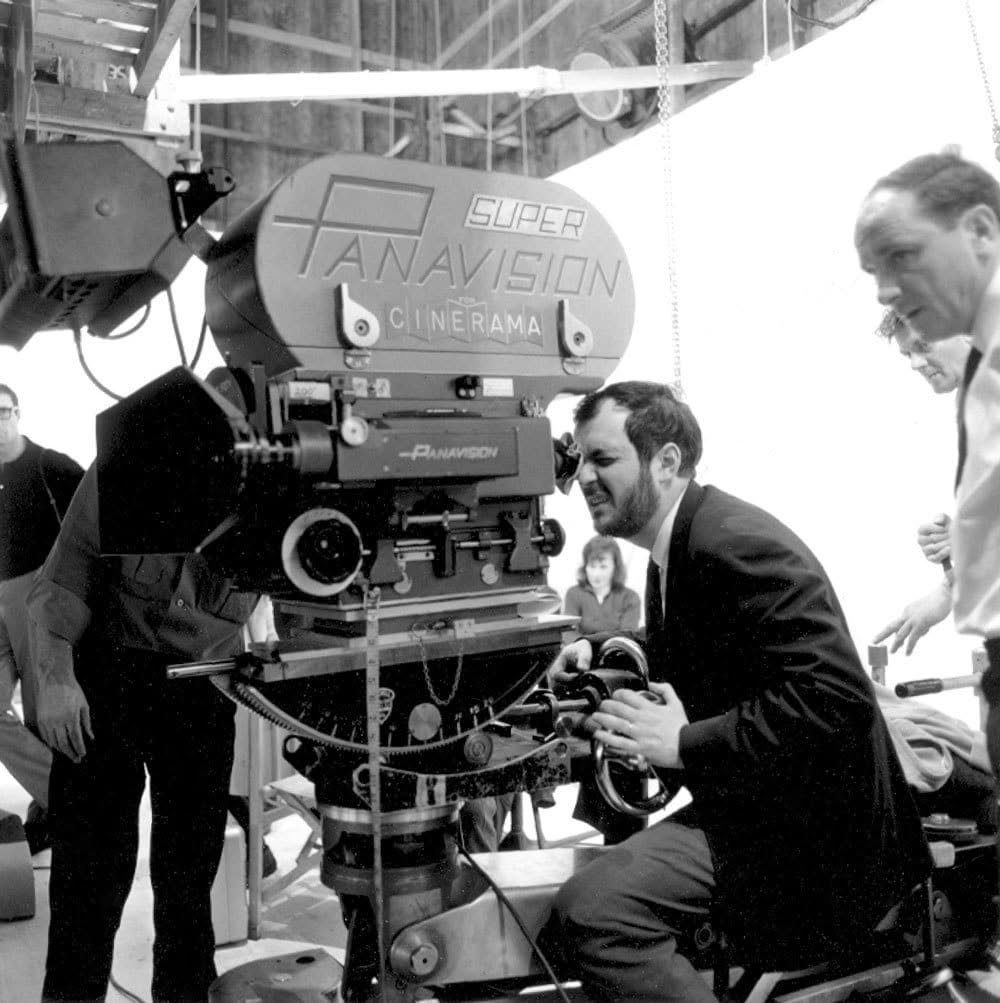
| CinemaScope / Panavision | Vertical 4-perf 35mm with 2x anamorphic lenses. Usually 2.35:1 / 2.39:1. Classical anamorphic widescreen, with its own optical behavior and lens personality. |
| VistaVision | Horizontal 8-perf 35mm. Variable widescreen extraction. Larger negative area from standard 35mm stock, with finer grain and a strong visual-effects legacy. |
| Todd-AO / Super Panavision 70 | 5-perf 65mm negative, 70mm prints. Usually 2.20:1. Large-format sharpness, scale and a calmer, more stable photographic surface. |
| Ultra Panavision 70 | 65mm negative with anamorphic optics. Around 2.76:1. A very wide large-format image combining 65mm negative area with anamorphic breadth. |
| Technirama | Horizontal 8-perf 35mm with a 1.5x anamorphic squeeze. Often printed to 35mm or 70mm. A hybrid between 35mm economy and large-format theatrical presentation. |
| Techniscope | Vertical 2-perf 35mm spherical photography. 2.35:1 extraction. Lower-cost widescreen photography using half the standard 4-perf negative height. |
| 70mm blow-up | Usually a 35mm original enlarged to 70mm release prints. Large-screen presentation and improved sound rather than true 65mm origination. |
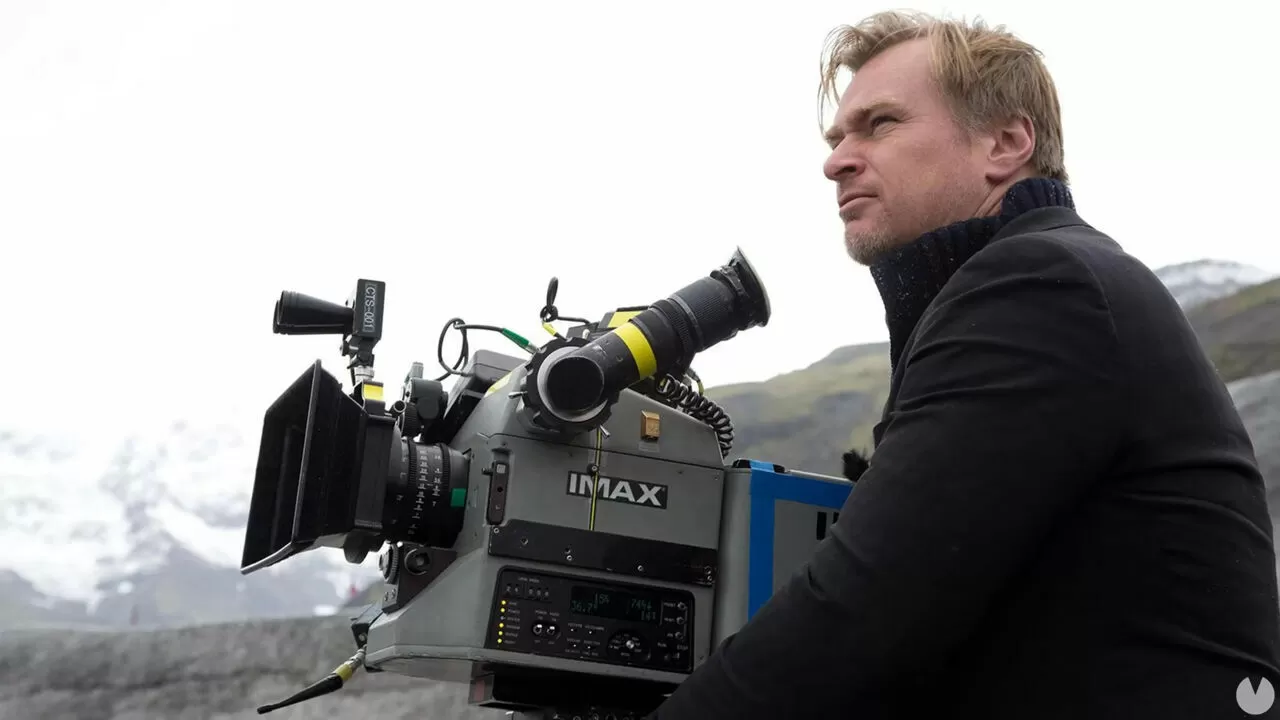
| IMAX 15/70 | Horizontal 65mm negative with fifteen perforations per frame. Tall 1.43:1 special-venue image. The largest major photochemical exhibition format in this guide. |
Approximate camera-negative area
The diagram below is intentionally schematic. It compares typical camera-aperture areas rather than projected-image dimensions. Its purpose is to show the essential idea: some formats change cinema not merely by changing the projected rectangle, but by giving the photographed image a larger negative area.
Scale used: full-aperture 4-perf 35mm = 1x. Techniscope 2-perf = approx. 0.5x. VistaVision 8-perf = approx. 2x. 5-perf 65mm = approx. 2.6x. IMAX 15/70 = approx. 8x full-aperture 4-perf 35mm, or just over 3 times the area of 5-perf 65mm. Exact usable areas vary with the camera aperture, soundtrack allocation, extraction ratio and production standard.
Techniscope 2-perf 35mm
0.5x
Full-aperture 4-perf 35mm
1x
VistaVision / Technirama 8-perf 35mm
2x
5-perf 65mm negative
approx. 2.6x
IMAX 15-perf 65mm negative
approx. 8x
Main film format families
Classical 35mm
35mm Academy / Flat
The classical 35mm image became the foundation on which much of theatrical cinema was built. Even after widescreen masking became common, 35mm remained the working standard against which larger, wider or more specialized systems were defined.
Anamorphic widescreen
CinemaScope / Panavision
The anamorphic image is not just wider: it changes the optical behavior of the frame. Compression, expansion, aberration, flare, close focus and lens breathing all become part of its expressive language.
Horizontal 35mm
VistaVision / Technirama
Horizontal 8-perf 35mm formats tried to extract more image quality from 35mm stock by changing the direction and size of the frame. They occupy a fascinating middle ground between standard 35mm and true large-format cinema.
Large-format exhibition
65/70mm
65mm negative and 70mm projection brought a different sense of scale to cinema: not only more definition, but a calmer, larger, more stable photographic surface.
Immersive large format
IMAX 15/70
IMAX 15/70 pushed photochemical exhibition towards a different kind of spectacle: not simply wider, but taller, larger and more physically immersive.
The complete Film Formats series
The four articles below form a chronological and technical guide to the main film formats used in theatrical cinema, from early 35mm to IMAX and high-speed film stocks.

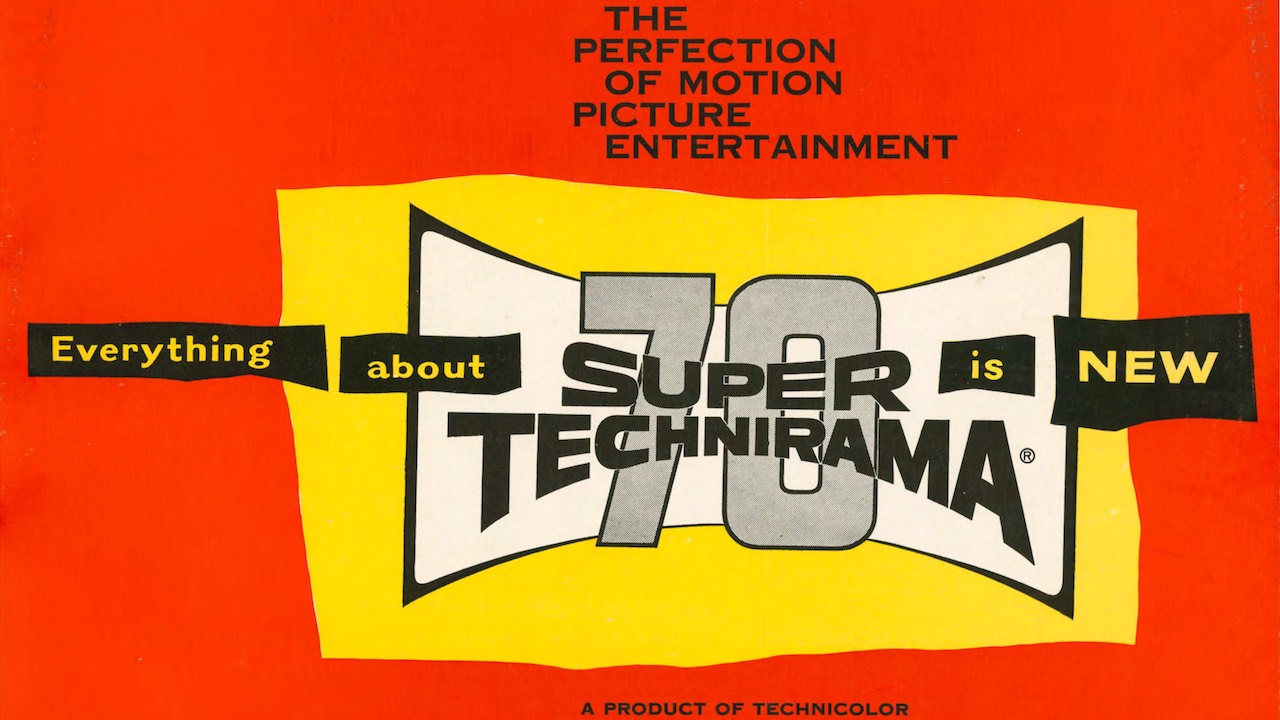
How to read this guide
For the origins of motion-picture standardization, start with the first article. It explains how 35mm film, silent-era framing, optical sound, Academy ratio and Technicolor shaped classical cinema.
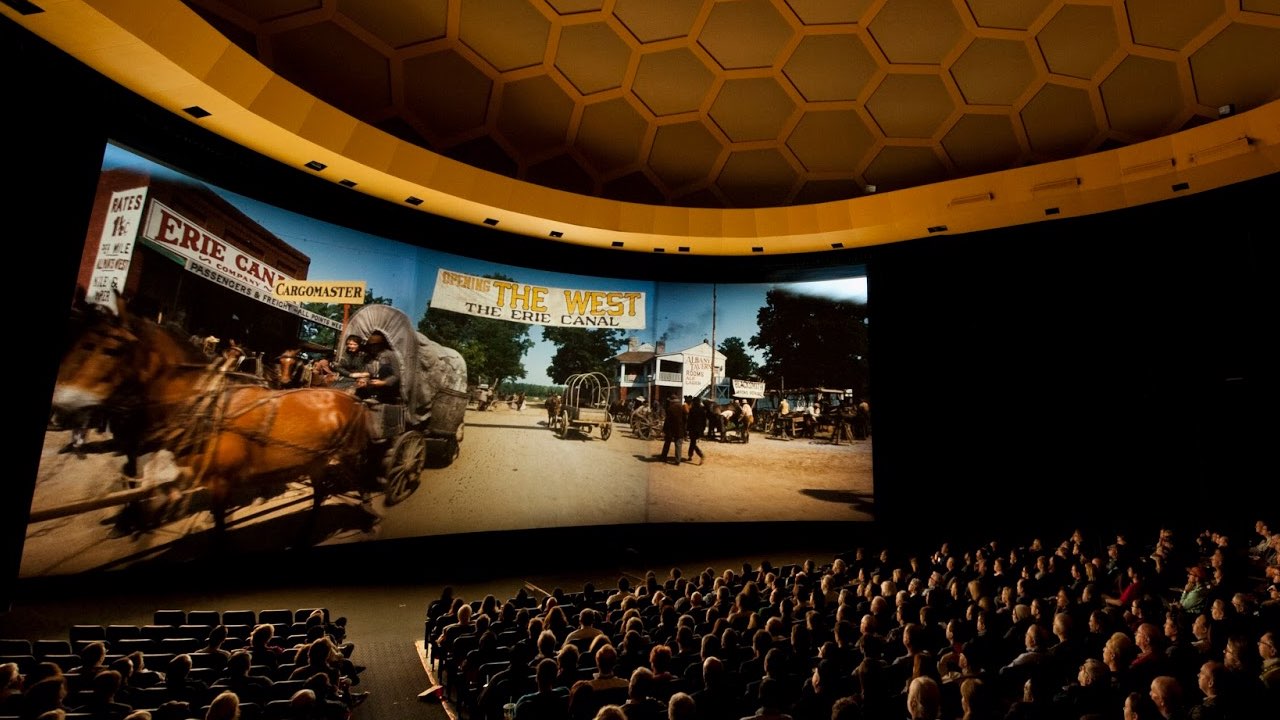
For widescreen anamorphic cinema, continue with the second article. It covers Cinerama, CinemaScope and Panavision, including the practical difference between early front anamorphic adapters and integrated professional anamorphic lenses.
For larger negatives and 70mm exhibition, the third article is the key reference. It explains Academy Standard Flat, VistaVision, Todd-AO, Super Panavision 70 and Ultra Panavision 70.
For hybrid formats and later photochemical developments, the fourth article completes the series with Technirama, Techniscope, 70mm blow-ups, IMAX, lightweight cameras, fast lenses and high-speed film stocks.
For cinematographers, filmmakers, schools and brands
Continue reading, or start a technical collaboration
This guide is conceived as a gateway into the complete Film Formats series and into the wider technical writing of ON FILM & DIGITAL. Readers interested in cinematography, film stock, lenses, format history, large-format exhibition or anamorphic optics should continue with the full articles. For lectures, workshops, technical presentations, brand collaborations or cinematography work, use the contact link below.
Explore ON FILM & DIGITAL in English
Contact Ignacio Aguilar
About this guide
The Film Formats series was originally conceived as a historical and technical survey for readers interested in how cinema image formats developed before and after the widescreen revolution. This English version has been revised and expanded for ON FILM & DIGITAL while preserving the historical and authorial approach of the original series.
More English-language cinematography essays, reviews and technical articles are available in the ON FILM & DIGITAL English index.