
Análisis de la fotografía de Hoyte Van Hoytema en Call Girl (2012): naturalismo, teleobjetivos, humo, grano y luz fluorescente.
Leer más



Vanishing Point (Punto Límite: Cero, 1971) – Fotografía de John A. Alonzo
Análisis de la fotografía naturalista de John A. Alonzo en Vanishing Point (1971), sus persecuciones, exposición y uso de luz disponible.
Leer más

The Shining (El Resplandor, 1980) – Fotografía de John Alcott
La fotografía de The Shining: John Alcott, luz naturalista, Steadicam, Kodak 5247 y la arquitectura visual de Stanley Kubrick.
Leer más

The Pink Panther Strikes Again (La Pantera Rosa Ataca de Nuevo, 1976) – Fotografía de Harry Waxman
Análisis de la fotografía de «The Pink Panther Strikes Again» (1976): Harry Waxman combina difusión, luz suave y composición anamórfica al servicio de la comedia visual.
Leer más

The Driver (Driver, 1978) – Fotografía de Philip Lathrop
Análisis de la fotografía de «The Driver» (1978): Philip Lathrop, Panavision Ultraspeed, Kodak 5247, noches urbanas, luz disponible y un singular choque de estilos.
Leer más

Guía de Ópticas de Cine (V): Juegos de Lentes Anamórficas
ON FILM & DIGITAL → Guía de Ópticas de Cine → Parte V · Lentes anamórficas Una vez comentadas las características del formato anamórfico (click en el enlace para ir al anterior artículo), pasamos a analizar los principales juegos de lentes anamórficas que existen en el mercado, haciendo especial énfasis en...
Leer más

Zérkalo (El Espejo, 1975) – Fotografía de Georgi Rerberg
Análisis de la fotografía de «Zérkalo» (1975): Georgi Rerberg combina color y blanco y negro, formato 1.37:1, luz natural y movimientos de cámara de excepcional belleza.
Leer más
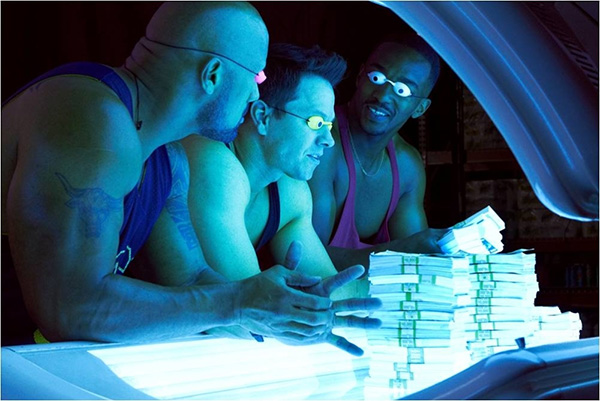
Pain and Gain (Dolor y Dinero, 2013) – Fotografía de Ben Seresin
Análisis de la fotografía de «Pain and Gain» (2013): Ben Seresin combina 35mm y Red Epic anamórficos con cámara móvil, color saturado y una estética deliberadamente excesiva.
Leer más

Earthquake (Terremoto, 1974) – Fotografía de Philip Lathrop
Análisis de la fotografía de “Earthquake” (1974): Philip Lathrop, Panavision anamórfico, Kodak 5254, luz dura y efectos visuales.
Leer más

Legends of the Fall (Leyendas de Pasión, 1994) – Fotografía de John Toll
Análisis de la fotografía de “Legends of the Fall” (1994): John Toll, luz natural, teleobjetivos, Panavision Primo y emulsiones Kodak.
Leer más

The Lone Ranger (El Llanero Solitario, 2013) – Fotografía de Bojan Bazelli
Análisis de la fotografía de “The Lone Ranger” (2013): Bojan Bazelli combina 35mm anamórfico, Arri Alexa y Red Epic.
Leer más

Obituario: Gilbert Taylor y Vadim Yusov
“George evitó toda clase de reuniones y contactos conmigo desde el primer día así que leí el larguísimo guión muchas veces y tomé mis propias decisiones acerca de cómo rodaría la película” Gilbert Taylor, BSC, en “American Cinematographer”, febrero 2006. Gilbert Taylor (de pie, apoyado en la luz), en una...
Leer más