
Análisis de la fotografía de «Airport ’77» (1977), obra de Philip Lathrop: Panavision anamórfico, Kodak 5247, fuentes integradas y fotografía submarina.
Leer más



Fedora (1978) – Fotografía de Gerry Fisher
Análisis de la fotografía de «Fedora» (1978), obra de Gerry Fisher: difusión, luz dura, arcos, Cooke Varotal y clasicismo adaptado a los años setenta.
Leer más

Eye of the Needle (El Ojo de la Aguja, 1981) – Fotografía de Alan Hume
Análisis de la fotografía de «Eye of the Needle» (1981), obra de Alan Hume: luz dura, filtraje, zooms, revelado forzado y textura fotoquímica.
Leer más

Bullitt (1968) – Fotografía de William A. Fraker
William A. Fraker filma Bullitt con luz disponible, ópticas Cooke y Angenieux, cámara móvil y una sequedad decisiva en el San Francisco de Peter Yates.
Leer más

Being There (Bienvenido Mr. Chance, 1979) – Fotografía de Caleb Deschanel
Análisis de la fotografía de «Being There» (1979), obra de Caleb Deschanel: sobriedad dramática, naturalismo, bajos niveles y negativo sobreexpuesto.
Leer más

Alien: Covenant (2017) – Fotografía de Dariusz Wolski
Análisis de la fotografía de Alien: Covenant (2017): Dariusz Wolski, Arri Alexa, ArriRaw, multicámara, zooms y luces LED integradas.
Leer más

The Lost City of Z (La Ciudad Perdida de Z, 2016) – Fotografía de Darius Khondji
Análisis de la fotografía de The Lost City of Z (2016), de Darius Khondji: 35mm anamórfico, revelado forzado, VariCon y luz natural.
Leer más

The Black Stallion (El Corcel Negro, 1979) – Fotografía de Caleb Deschanel
Análisis de la fotografía de The Black Stallion (1979), de Caleb Deschanel: luz natural, teleobjetivos, Zeiss High Speed y noche americana.
Leer más
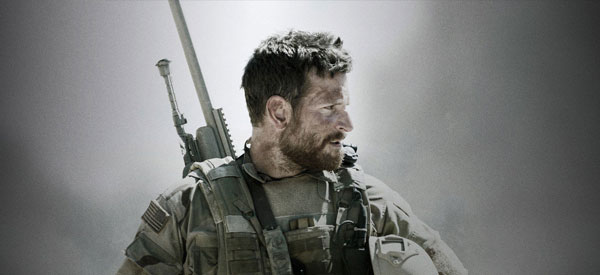
American Sniper (El Francotirador, 2014) – Fotografía de Tom Stern
Análisis de la fotografía de “American Sniper” (2014), de Tom Stern: Arri Alexa, anamórficos Panavision, contraste, desaturación y altas luces.
Leer más

Hardcore (Hardcore, un mundo oculto, 1979) – Fotografía de Michael Chapman
Análisis de la fotografía de Hardcore (1979): Michael Chapman, Zeiss High Speed, Kodak 5247, luz disponible, neones y bajos niveles de iluminación.
Leer más

Empire of the Sun (El Imperio del Sol, 1987) – Fotografía de Allen Daviau
Análisis de la fotografía de Empire of the Sun (1987): Allen Daviau, Panavision Primo, emulsiones Kodak, luz naturalista y rodaje internacional.
Leer más

Memoirs of an Invisible Man (Memorias de un Hombre Invisible, 1992) – Fotografía de William A. Fraker
Análisis de la fotografía de Memoirs of an Invisible Man (1992): William A. Fraker, Panavision anamórfico, VistaVision y efectos visuales.
Leer más